


Introduction
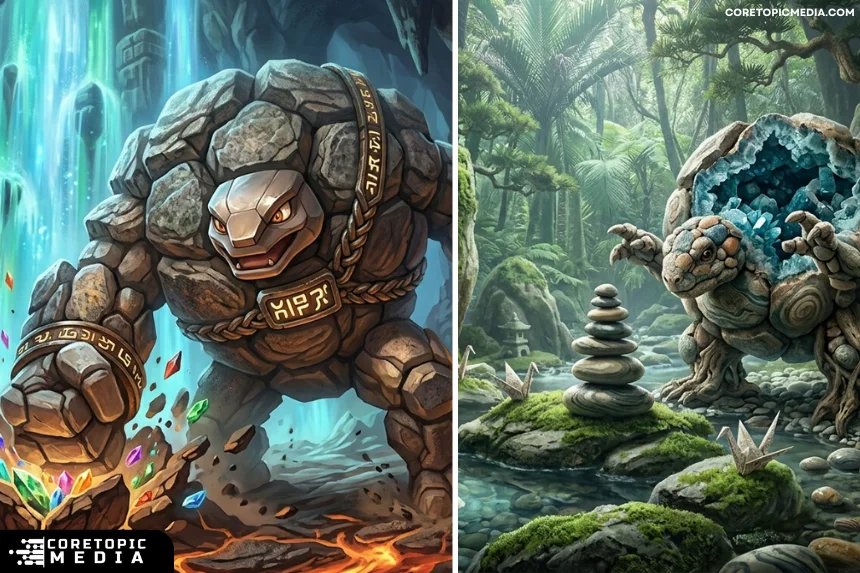
The Pokémon franchise features dozens of different elemental types, each with its own strengths, weaknesses, and battle strategies. Among these types, the Rock type has remained one of the most recognizable since the earliest days of Pokémon. Known for powerful attacks, impressive defensive capabilities, and iconic Pokémon designs, Rock-type Pokémon continue to play an important role in both casual and competitive gameplay.
From the massive Onix that challenged trainers in the first generation to modern powerhouses such as Tyranitar and Lycanroc, Rock Pokémon have consistently been among the most memorable creatures in the series. Their rugged appearance, connection to mountains and fossils, and ability to deal heavy damage make them popular choices for trainers around the world.
However, many players still have questions about the Rock type. What are Rock-type Pokémon weak to? What is strong against Rock-type Pokémon? Are Rock Pokémon good in competitive battles? Understanding the answers to these questions can dramatically improve your performance in Pokémon games.
This guide explores everything you need to know about Pokémon Rock Type, including its history, strengths, weaknesses, battle strategies, and some of the best Rock Pokémon ever created.
What Is a Rock-Type Pokémon?
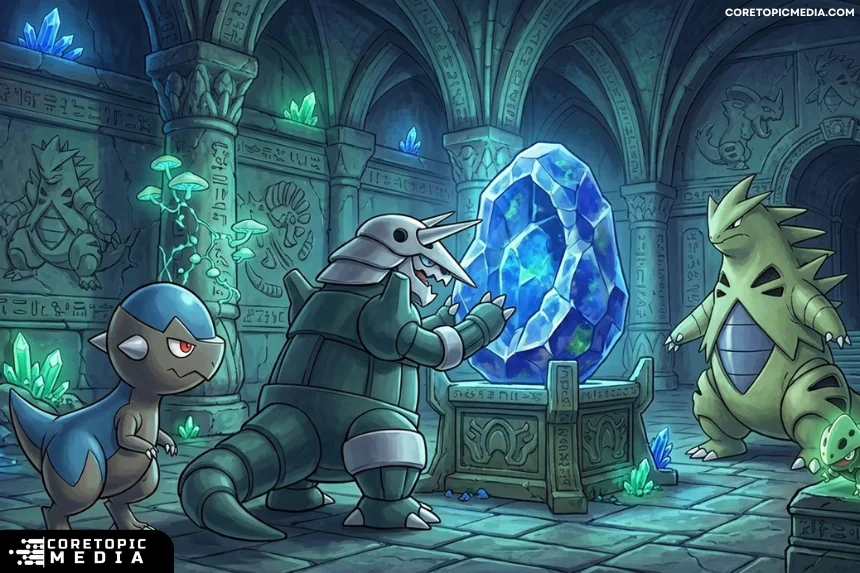
A Rock-type Pokémon is a Pokémon that possesses the Rock type as either its primary or secondary typing. These Pokémon are generally inspired by geological formations, minerals, mountains, fossils, and various natural stone structures.
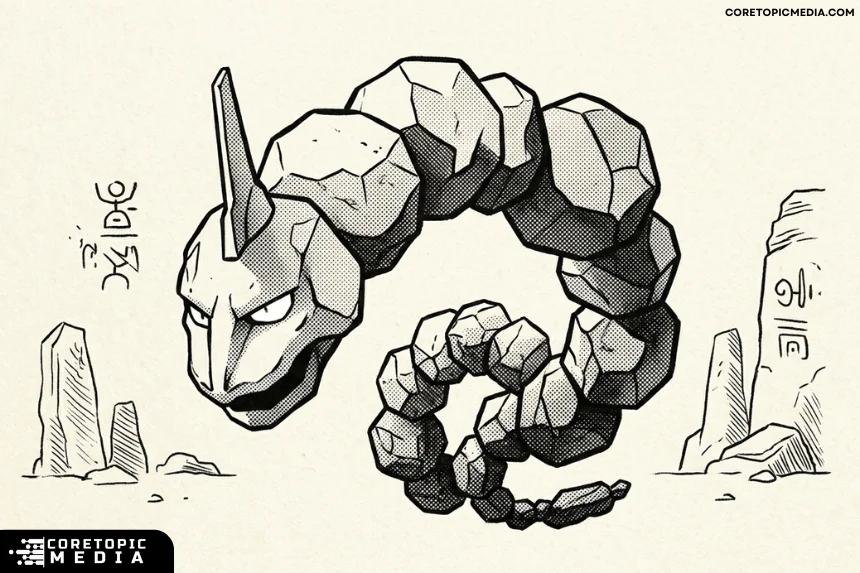
The Rock type was introduced in Generation I and has remained a permanent part of the Pokémon universe ever since. Many early Rock Pokémon were designed around the idea of enormous physical strength and durability. Creatures like Geodude, Graveler, Golem, and Onix helped establish the identity of the type as one associated with toughness and resilience.
Unlike some other Pokémon types that focus heavily on elemental powers, Rock Pokémon often emphasize physical strength and defense. Their designs frequently feature stone armor, rocky bodies, or fossil-inspired appearances that reflect their connection to Earth’s geological history.
One reason Rock Pokémon remain popular is the variety they offer. Some are slow but incredibly durable, while others combine speed with powerful offensive capabilities. This diversity allows trainers to use Rock Pokémon in several different strategic roles.
Throughout the series, Rock-type Pokémon have appeared in caves, mountain ranges, deserts, and fossil excavation sites. These environments reinforce the type’s natural connection to geology and ancient history.
The History of Rock-Type Pokémon
The Rock type has evolved significantly since the release of Pokémon Red and Blue.
In the original games, Rock Pokémon were often paired with the Ground type. As a result, many players mistakenly assumed that Rock and Ground were essentially the same thing. Pokémon such as Geodude, Graveler, Golem, Onix, Rhydon, and Rhyhorn all shared both types, making the distinction less obvious.
As new generations were introduced, Game Freak expanded the Rock category by creating Pokémon with unique secondary typings. Rock/Dark Pokémon like Tyranitar, Rock/Steel Pokémon like Aggron, Rock/Water Pokémon like Omastar, and Rock/Fairy Pokémon like Diancie helped diversify the type and create new strategic possibilities.
The introduction of fossil Pokémon also played a major role in the popularity of the Rock type. Many fossil-based species were given Rock typing because of their connection to ancient geological formations. This design choice helped establish Rock Pokémon as one of the most interesting categories in the franchise.
Over time, competitive players began discovering the value of Rock-type moves and support options. Moves like Stealth Rock eventually became some of the most influential mechanics in competitive Pokémon, significantly increasing the importance of Rock Pokémon in high-level battles.
Today, the Rock type remains one of the franchise’s most established and strategically significant types.
Why Rock-Type Pokémon Are Unique
Every Pokémon type possesses unique characteristics, but Rock Pokémon stand out for several reasons.
The first is their durability. Many Rock Pokémon have high Defense stats that allow them to survive physical attacks that would easily defeat more fragile Pokémon. This durability often makes them valuable defensive assets during long battles.
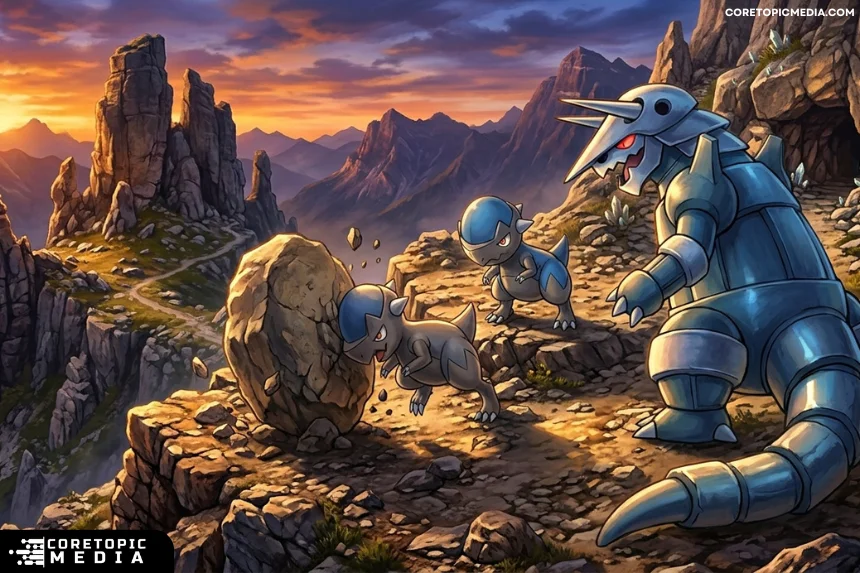
Another unique feature is their connection to fossil Pokémon. No other type is as strongly associated with prehistoric creatures and ancient history. Some of the most iconic fossil Pokémon in the series, including Kabutops, Omastar, Aerodactyl, and Rampardos, belong to the Rock category.
Rock Pokémon also have access to some of the strongest physical moves in the game. Attacks such as Stone Edge and Rock Slide can deal devastating damage when used effectively. These moves are especially dangerous against Flying-, Fire-, Ice-, and Bug-type opponents.
Additionally, Rock Pokémon often possess intimidating designs that make them memorable even for casual fans. Massive stone monsters, ancient dinosaurs, and mountain-sized creatures have become defining features of the type.
Because of these qualities, Rock Pokémon continue to attract players who enjoy powerful, defensive, and visually impressive Pokémon.
Strengths of Rock-Type Pokémon
One of the biggest reasons trainers choose Rock Pokémon is their ability to counter several important Pokémon types.
Rock-type attacks are super effective against Fire, Ice, Flying, and Bug Pokémon. These matchups can provide major advantages during battles, especially when facing opponents that rely heavily on offensive strategies.
Flying Pokémon are particularly vulnerable to Rock attacks. Many Flying species possess excellent speed and offensive power, but a strong Rock move can often eliminate them quickly. This makes Rock Pokémon valuable additions to teams that struggle against aerial threats.
Fire Pokémon also face challenges against Rock opponents. While Fire types are often known for high offensive damage, Rock attacks can exploit their weaknesses and turn battles around quickly.
The same principle applies to Ice and Bug Pokémon. Because Rock moves deal double damage against these types, trainers can use Rock Pokémon to gain favorable matchups in many situations.
These offensive advantages help explain why Rock-type attacks remain common even on Pokémon that are not themselves Rock type. Many trainers teach Rock coverage moves to their Pokémon specifically because of the valuable matchups they provide.
Defensive Advantages of Rock Pokémon
Beyond offense, Rock Pokémon possess several defensive strengths that make them useful in battle.
Rock-type Pokémon resist Normal-, Fire-, Flying-, and Poison-type attacks. These resistances allow them to switch into battle more safely against certain opponents.
For example, if an opposing Pokémon relies heavily on Flying-type moves, a Rock Pokémon can often enter the battle and absorb damage while threatening a powerful counterattack.
Fire-type attacks are another area where Rock Pokémon perform well defensively. Since many popular Pokémon rely on Fire moves, having a Rock-type resistance can be extremely valuable during team battles.
These resistances help balance some of the weaknesses associated with the type and give Rock Pokémon important strategic utility.
While they may not possess as many resistances as Steel Pokémon, Rock types still provide useful defensive options when used correctly.
Rock Type Pokémon Weakness Explained
While Rock Pokémon have several strengths, they are also known for having a relatively large number of weaknesses. Understanding these weaknesses is one of the most important aspects of becoming a better Pokémon trainer. Many new players focus only on a Pokémon’s strengths, but experienced trainers know that recognizing weaknesses often determines the outcome of a battle.
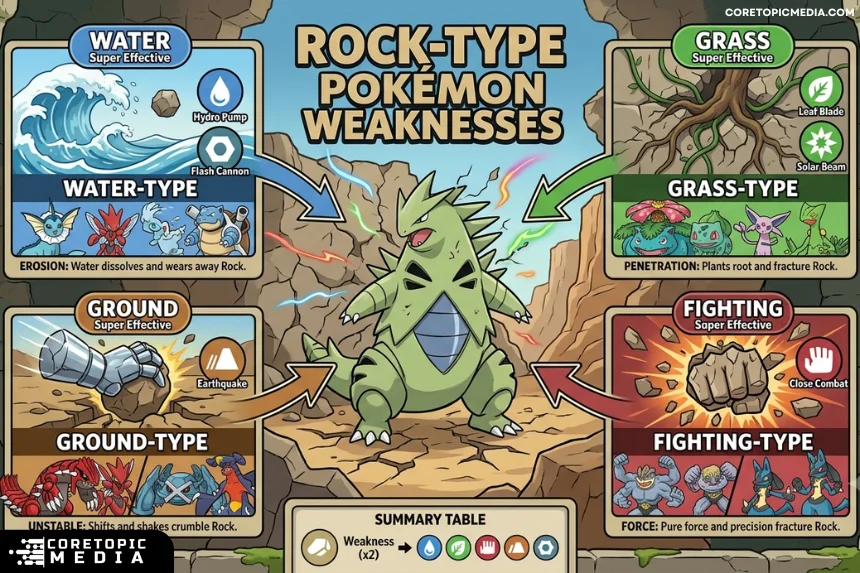
Rock-type Pokémon are weak to Water, Grass, Fighting, Ground, and Steel attacks. This means moves from these types deal increased damage and can quickly overwhelm even some of the strongest Rock Pokémon.
One reason for these weaknesses comes from the natural relationships between these elements. Water gradually erodes rock formations over time, which explains why Water-type attacks are effective. Grass represents plant life whose roots can break through stone and crack rocky surfaces. Fighting attacks symbolize direct physical force capable of shattering rocks. Ground-type moves represent earthquakes and shifting earth that destabilize rock formations, while Steel reflects tools and materials strong enough to break or cut stone.
Because these weaknesses are relatively common throughout the Pokémon world, Rock trainers must carefully plan their teams. Water- and Grass-type Pokémon appear frequently in nearly every game, meaning Rock Pokémon often encounter opponents that can exploit their vulnerabilities.
This does not mean Rock Pokémon are weak overall. It simply means trainers must understand when to use them and when to switch to another team member.
What Are Rock-Type Pokémon Weak To?
Many players specifically search for the question, “What are Rock-type Pokémon weak to?” because understanding type matchups is essential for winning battles.
Rock Pokémon receive super-effective damage from five different types: Water, Grass, Fighting, Ground, and Steel. Compared to some other Pokémon types, this is a relatively large number of weaknesses.
Water Pokémon are among the most common threats. Powerful Water-type moves such as Hydro Pump, Surf, and Waterfall can deal massive damage to Rock Pokémon. Even physically bulky Rock types often struggle to survive strong Water attacks.
Grass Pokémon present another challenge. Moves such as Energy Ball, Leaf Blade, and Solar Beam can quickly defeat many Rock-type opponents. Trainers often underestimate Grass Pokémon, but they can be highly effective against Rock teams.
Fighting types are particularly dangerous because many Rock Pokémon already rely heavily on physical defense. Powerful Fighting moves such as Close Combat and Drain Punch can break through defensive walls and create difficult situations for Rock trainers.
Ground-type attacks also deserve special attention. Earthquake remains one of the most widely used moves in Pokémon history, and many Ground Pokémon possess the offensive power necessary to exploit Rock weaknesses effectively.
Steel Pokémon may not be as common as Water or Ground types, but they can still create problems. Their natural durability combined with super-effective Steel attacks makes them reliable counters to many Rock Pokémon.
Understanding these matchups helps trainers avoid unfavorable battles and make smarter strategic decisions.
What Is Strong Against Rock-Type Pokémon?
If you’re wondering what is strong against Rock-type Pokémon, the answer involves more than simply memorizing type charts. While Water, Grass, Fighting, Ground, and Steel types all have advantages, certain Pokémon stand out as particularly effective counters.
Water Pokémon are often considered the most reliable option because they combine offensive effectiveness with strong defensive qualities. Pokémon like Swampert and Greninja can pressure Rock opponents while resisting many common attacks.
Grass Pokémon excel because they frequently possess status moves and recovery options in addition to their offensive capabilities. This combination allows them to wear down Rock Pokémon over time while remaining difficult to defeat.
Fighting Pokémon are especially effective against defensive Rock Pokémon. Since many Rock species rely on high Defense stats, trainers sometimes assume they can withstand physical attacks indefinitely. Fighting types often prove otherwise by delivering powerful super-effective damage.
Ground Pokémon create another difficult matchup because they often share the physical durability commonly associated with Rock types while maintaining a significant type advantage.
Steel Pokémon combine defensive strength with offensive effectiveness. Their ability to survive attacks while dealing super-effective damage makes them dependable counters in many situations.
The strongest counter ultimately depends on the specific Rock Pokémon being faced. Factors such as secondary typing, abilities, held items, and movesets can all influence battle outcomes.
Common Weaknesses in Competitive Battles
Competitive Pokémon battles often highlight the challenges Rock Pokémon face.
One major issue is the popularity of Water and Ground attacks. Moves like Surf, Hydro Pump, Scald, and Earthquake appear on countless competitive teams. Since these attacks target Rock weaknesses directly, trainers must carefully position their Rock Pokémon to avoid unfavorable encounters.
Another challenge involves speed. Many Rock Pokémon are relatively slow compared to other offensive threats. This means they may take damage before having the opportunity to attack. Against powerful Water or Fighting Pokémon, this disadvantage can be especially problematic.
However, successful competitive players understand that weaknesses do not automatically make a Pokémon bad. Instead, they use team support, strategic switching, and careful planning to minimize those vulnerabilities.
Many top-tier Rock Pokémon remain highly effective despite their weaknesses because their strengths compensate in other areas.
Best Rock-Type Pokémon of All Time
Throughout Pokémon history, several Rock Pokémon have established themselves as fan favorites and competitive powerhouses.
Tyranitar is often considered the king of Rock Pokémon. Introduced in Generation II, Tyranitar combines incredible offensive power with impressive bulk. Its Dark/Rock typing, powerful abilities, and strong move pool have made it a competitive staple for decades. Few Rock Pokémon have had a greater impact on the game.
Aerodactyl remains another iconic choice. As one of the original fossil Pokémon, it quickly became known for its speed and aggressive battle style. Unlike many slower Rock Pokémon, Aerodactyl can strike first and pressure opponents before they have time to react.
Rhyperior represents the classic image of a defensive Rock powerhouse. Its enormous physical strength and durability allow it to absorb damage while delivering devastating attacks of its own.
Lycanroc introduced a modern interpretation of the Rock type. With multiple forms and a more agile design than traditional Rock Pokémon, it demonstrated that Rock types do not always need to be slow defensive tanks.
Diancie stands out because of its unique Rock/Fairy typing. This combination gives it distinctive strengths and makes it one of the most visually striking Rock Pokémon ever created.
These Pokémon illustrate the incredible diversity within the Rock category. Some focus on offense, others on defense, and some combine both qualities effectively.
Why Trainers Love Rock Pokémon
Despite their weaknesses, Rock Pokémon continue to enjoy tremendous popularity among fans.
Part of this appeal comes from their designs. Many Rock Pokémon look powerful, intimidating, and memorable. Massive stone creatures, ancient fossils, and mountain-inspired monsters create a visual identity unlike any other Pokémon type.
Another reason is their connection to exploration and discovery. Fossil Pokémon, caves, and ancient ruins have always been exciting elements of Pokémon games. Because Rock Pokémon are closely associated with these environments, they often feel mysterious and adventurous.
Rock Pokémon also reward strategic thinking. Their weaknesses force trainers to plan carefully, while their strengths create opportunities for clever battle tactics. This balance makes them satisfying to use for both casual and competitive players.
For many fans, Rock Pokémon represent the perfect combination of power, durability, and classic Pokémon design.
All Rock-Type Pokémon and Their Evolution Through the Generations
As the Pokémon franchise expanded, the number of Rock-type Pokémon grew significantly. In the early generations, Rock Pokémon were relatively limited and were often paired with the Ground type. Over time, Game Freak introduced new combinations that helped diversify the type and create fresh battle strategies.
The first generation introduced iconic species such as Geodude, Graveler, Golem, Onix, Kabutops, Omastar, Aerodactyl, Rhyhorn, and Rhydon. These Pokémon helped define what Rock types would represent for years to come. Their strong physical defense and connection to mountains, caves, and fossils established a clear identity for the type.
Later generations expanded on this concept by introducing Pokémon such as Tyranitar, Aggron, Cradily, Rampardos, Gigalith, Tyrantrum, Lycanroc, Coalossal, and many others. Each generation brought new interpretations of what a Rock Pokémon could be.
Some Rock Pokémon focus on brute strength, while others emphasize speed, support abilities, or unique type combinations. This evolution has transformed the Rock type from a relatively simple category into one of the most diverse groups in the entire Pokémon franchise.
Today, Rock Pokémon can fill nearly every role imaginable, including offensive attackers, defensive tanks, hazard setters, weather supporters, and even special attackers.
Rock-Type Pokémon in Competitive Battles
Competitive Pokémon battles often reveal the true value of a type. While casual players may focus on appearance or personal favorites, competitive trainers evaluate Pokémon based on their performance against strong opponents.
Rock Pokémon have maintained a significant presence in competitive play for many years. One reason is their ability to threaten several important Pokémon types. Flying Pokémon, Fire Pokémon, and Ice Pokémon frequently appear in competitive formats, giving Rock attacks consistent value.
However, the biggest contribution of the Rock type to competitive Pokémon may not be a Pokémon at all. Instead, it comes from one move: Stealth Rock.
Stealth Rock is widely considered one of the most influential moves ever introduced into Pokémon battles. When used, it places floating rocks on the opponent’s side of the field. Every time an opposing Pokémon switches into battle, it takes damage based on its typing.
This effect can dramatically change the outcome of a match. Flying Pokémon and Fire Pokémon often lose a significant portion of their health simply by entering the battlefield. As a result, Stealth Rock can pressure opponents, limit switching opportunities, and create strategic advantages throughout an entire battle.
Many Rock Pokémon are chosen specifically because they can set up Stealth Rock effectively. Pokémon such as Tyranitar, Rhyperior, Gigalith, and others have become valuable team members partly because of their access to this move.
Even in modern competitive formats, Stealth Rock remains one of the most important mechanics trainers must consider when building teams.
The Role of Rock Pokémon on a Team
A successful Pokémon team usually includes several different roles. Some Pokémon focus on dealing damage, others absorb attacks, while some provide support for teammates.
Rock Pokémon are capable of fulfilling multiple responsibilities.
Defensively, many Rock types serve as physical walls. Their high Defense stats allow them to survive strong attacks and create opportunities for their teammates. This durability can be particularly useful against Flying, Fire, and Normal-type opponents.
Offensively, Rock Pokémon often function as powerful attackers. Moves such as Stone Edge and Rock Slide can deal tremendous damage when used by Pokémon with high Attack stats.
Some Rock Pokémon also support weather-based strategies. Tyranitar, for example, is famous for summoning sandstorms through its Sand Stream ability. These weather effects can benefit teammates and disrupt opposing strategies.
Because Rock Pokémon can perform several different roles, they remain valuable options for trainers seeking flexibility and strategic depth.
Are Rock-Type Pokémon Good for Beginners?
Many new players wonder whether Rock Pokémon are suitable for beginners. The answer depends largely on the player’s goals and experience level.
For casual playthroughs, Rock Pokémon are often excellent choices. Their high Defense stats make them forgiving for inexperienced trainers, and their strong attacks can help overcome many common opponents throughout the story.
Rock Pokémon are also easy to understand. Their strengths and weaknesses generally follow logical patterns that are simple for new players to learn. This makes them a good introduction to Pokémon’s type system.
However, beginners should be aware of the type’s weaknesses. Water and Grass Pokémon appear frequently in most Pokémon games, which means Rock Pokémon can sometimes struggle if used carelessly.
As players gain experience, they often learn how to support Rock Pokémon with teammates that cover their weaknesses. Once this happens, the type becomes significantly more effective.
The Future of Rock-Type Pokémon
The Pokémon franchise continues to evolve with each new generation, and Rock Pokémon remain an important part of that growth.
Game Freak consistently introduces new Rock species, abilities, and battle mechanics that keep the type relevant. Modern Rock Pokémon are often more versatile than their predecessors, featuring improved move pools and creative type combinations.
Many fans hope future generations will continue exploring unique concepts for Rock Pokémon. Fossils, gemstones, mountains, volcanoes, and ancient civilizations all provide inspiration for future designs.
The Rock type’s long history and strong fan support suggest it will remain a major part of Pokémon for many years to come.
Frequently Asked Questions
What is strong against Rock-type Pokémon?
Water, Grass, Fighting, Ground, and Steel Pokémon are all strong against Rock-type Pokémon because their attacks deal super-effective damage.
What are Rock-type Pokémon weak to?
Rock Pokémon are weak to Water, Grass, Fighting, Ground, and Steel attacks.
What types does Rock beat?
Rock-type attacks are super effective against Fire, Flying, Ice, and Bug Pokémon.
Is Rock a good Pokémon type?
Yes. Rock Pokémon offer strong offensive coverage, excellent physical defense, and access to valuable moves such as Stealth Rock.
Who is the strongest Rock-type Pokémon?
Many trainers consider Tyranitar to be the strongest Rock-type Pokémon because of its incredible stats, versatility, and long history of competitive success.
Why is Stealth Rock so important?
Stealth Rock damages opponents every time they switch into battle. This constant pressure makes it one of the most influential moves in competitive Pokémon history.
Are all fossil Pokémon Rock type?
Not all fossil Pokémon are pure Rock types, but most fossil Pokémon have Rock as either their primary or secondary typing because of their connection to ancient geological formations.
Conclusion
The Pokémon Rock Type remains one of the most iconic and influential types in the franchise. From the earliest generations to modern competitive battles, Rock Pokémon have consistently provided trainers with powerful offensive tools, impressive defensive capabilities, and unforgettable designs.
Understanding Rock-type Pokémon weakness, learning what is strong against Rock-type Pokémon, and recognizing how Rock Pokémon fit into team strategies can significantly improve your success as a trainer. Although they possess several weaknesses, their strengths often outweigh those disadvantages when used correctly.
Whether you’re battling competitively, completing a story adventure, or simply exploring the world of Pokémon, Rock Pokémon continue to offer a unique combination of power, durability, and strategic depth. Their long history, diverse roster, and important role in battle mechanics ensure that they will remain fan favorites for generations to come.
Discover more on our website about how tall is frankie muniz