


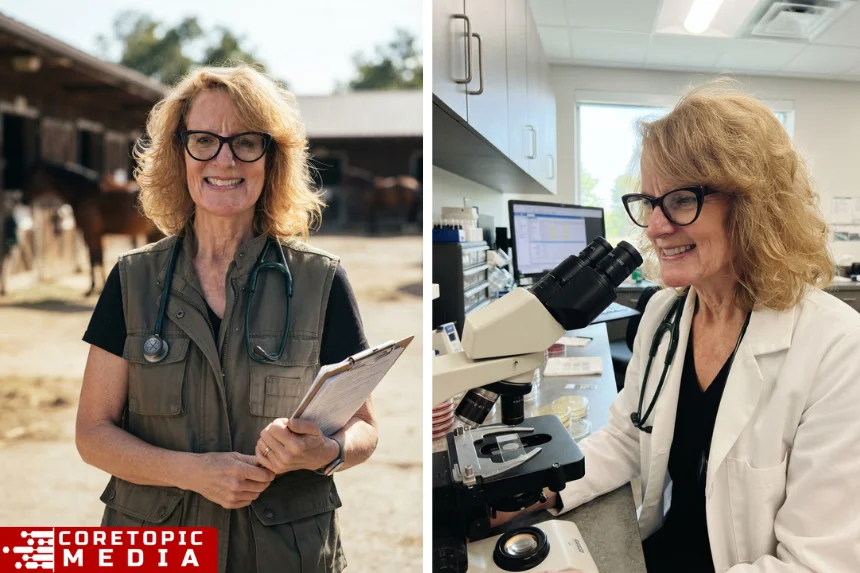
Karen Kline is an American veterinarian who specialises in veterinary neurology and neurosurgery. Her career spans clinical practice, university teaching, research, professional education and leadership within major veterinary organisations.
Dr. Kline earned her veterinary degree from The Ohio State University in 1989. She later completed advanced training in neurology and became board-certified through the American College of Veterinary Internal Medicine in 1994. Since then, she has worked at veterinary colleges and specialist hospitals across the United States.
As of July 2026, Washington State University lists Karen Kline as an associate professor of neurology, while VCA Northwest Veterinary Specialists lists her as a veterinary specialist in Clackamas, Oregon. Her main professional interests include spinal cord injuries, inflammatory and infectious diseases of the nervous system, neurosurgery and rehabilitation.
Karen Kline at a Glance
| Detail | Confirmed information |
|---|---|
| Full professional name | Karen L. Kline, DVM, MS, DACVIM |
| Profession | Veterinarian and veterinary neurologist |
| Main specialty | Neurology and neurosurgery |
| Veterinary degree | The Ohio State University, 1989 |
| Neurology board certification | American College of Veterinary Internal Medicine, 1994 |
| Master’s degree | Veterinary pathology, Iowa State University |
| Current academic role | Associate professor of neurology at Washington State University |
| Current clinical affiliation | VCA Northwest Veterinary Specialists |
| Former NAVC role | Board president for 2024–2025 |
| Notable recognition | Ohio State Distinguished Alumni Award, 2025 |
Who Is Karen Kline?
Karen Kline is a board-certified veterinary neurologist who treats and studies diseases affecting the brain, spinal cord, nerves and muscles of animals.
Her credentials often appear as Karen L. Kline, DVM, MS, DACVIM (Neurology). Each qualification reflects a different part of her professional training:
- DVM means Doctor of Veterinary Medicine.
- MS means Master of Science.
- DACVIM means Diplomate of the American College of Veterinary Internal Medicine.
- Neurology identifies her board-certified specialty.
The American College of Veterinary Internal Medicine explains that DACVIM specialists complete veterinary school, an internship or equivalent clinical experience, a recognised residency and specialist examinations. Therefore, the credential represents training beyond the standard veterinary degree.
Karen Kline’s Education and Specialist Training
Veterinary degree at Ohio State
Karen Kline earned her Doctor of Veterinary Medicine degree from The Ohio State University College of Veterinary Medicine in 1989.
After graduation, she moved to New York City and completed a rotating internship at the Animal Medical Center in 1990. The internship gave her experience across several areas of veterinary medicine before she focused on neurological care.
Neurology residency
Kline remained at the Animal Medical Center for her veterinary neurology residency. She completed the programme in 1993 and then spent another year there as a staff neurologist.
In 1994, she gained board certification in veterinary neurology through the American College of Veterinary Internal Medicine. As a result, she qualified to use the DACVIM credential in neurology.
Master’s degree in veterinary pathology
From 1995 to 2008, Kline worked as an associate professor of neurology and neurosurgery at Iowa State University College of Veterinary Medicine.
During that period, she also earned a Master of Science degree in veterinary pathology. Her thesis examined methods for distinguishing inflammatory and infectious diseases in dogs through immunohistochemistry, a laboratory technique that uses antibodies to identify specific substances in tissue.
Her Career in Veterinary Neurology
Iowa State University
Karen Kline spent approximately 13 years at Iowa State University. There, she combined clinical neurology, neurosurgery, teaching and research.
Her university work allowed her to train veterinary students and residents while treating animals with complex neurological conditions. In addition, she contributed to veterinary publications and professional textbooks.
Veterinary Specialty Center of Seattle
In 2008, Kline moved into specialist private practice at the Veterinary Specialty Center of Seattle. She worked there as a neurologist until 2019.
She also served as the centre’s medical director from 2013 through 2018. Consequently, her responsibilities extended beyond clinical cases to include medical leadership and hospital operations.
VCA Northwest Veterinary Specialists
Kline joined VCA Northwest Veterinary Specialists in Oregon in November 2019. She served as medical director from 2019 to 2024 and continued working there as a staff veterinary neurologist.
VCA currently lists her among its veterinary specialists. Her clinical interests include neurosurgery, spinal cord injuries and diseases that cause inflammation or infection within the central nervous system.
Washington State University
Alongside her private-practice work, Kline holds an academic appointment at Washington State University College of Veterinary Medicine.
As of July 2026, WSU’s faculty and hospital directories identify her as an associate professor of neurology in Veterinary Clinical Sciences. Therefore, her career continues to connect specialist clinical practice with veterinary education.
What Does Karen Kline Specialise In?
Karen Kline’s professional work centres on disorders of the nervous system in animals, particularly dogs and cats.
Her documented areas of interest include:
- Brain and spinal surgery
- Spinal cord injury and treatment
- Neurorehabilitation
- Inflammatory diseases of the nervous system
- Infectious neurological diseases
- Seizures and emergency neurological care
- Neurolocalisation, which helps identify the part of the nervous system causing an animal’s symptoms
ACVIM defines veterinary neurologists as specialists who diagnose and treat diseases involving the neurological system. These specialists may manage conditions such as epilepsy, spinal-disc disease, paralysis, balance disorders, brain inflammation and nervous-system tumours.
Kline also obtained certification in veterinary acupuncture in 2000. However, she works primarily as a neurologist rather than as a general alternative-medicine practitioner.
Teaching, Research and Veterinary Publications
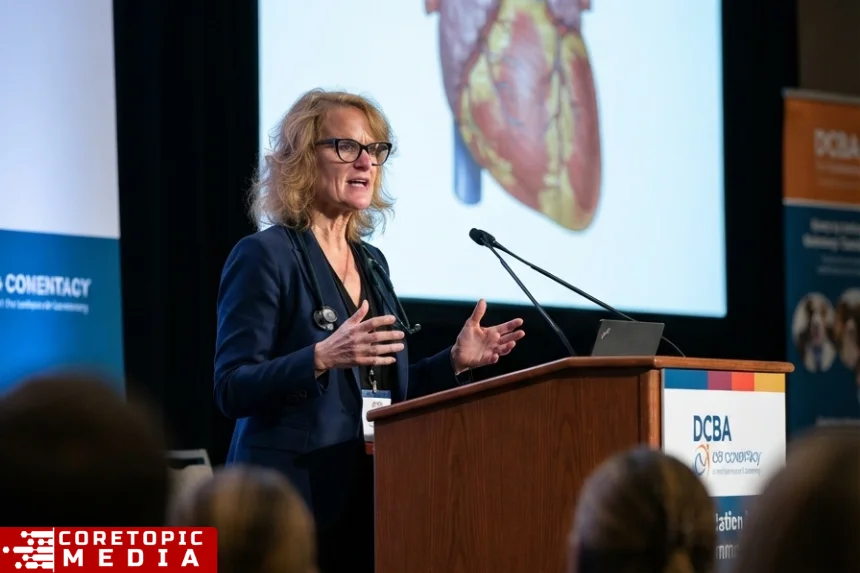
Education has remained a major part of Karen Kline’s career. She has taught at Iowa State University and Washington State University, spoken at professional meetings and contributed to textbooks and veterinary journals.
For example, PubMed indexes her 2002 review of complementary and alternative approaches to neurological disorders in animals. Her more recent educational work has addressed neurological emergencies, spinal-cord neurolocalisation and anticonvulsant medicines for dogs and cats.
Her work often connects practical clinical decisions with specialist education. In particular, she has discussed how veterinarians assess neurological emergencies and determine whether a problem originates in the brain, spinal cord or neuromuscular system.
Leadership in the Veterinary Profession
NAVC board president
Karen Kline served as president of the North American Veterinary Community board for the 2024–2025 term. She assumed the role in January 2024 after spending six years on the organisation’s board of directors.
The NAVC supports veterinary professionals through continuing education, conferences, publications and professional resources. During her presidency, Kline represented an organisation with an international audience of veterinarians and veterinary team members.
Her presidential term has now ended. Sally Haddock succeeded her as NAVC board president in January 2025, while Kline moved into the immediate past-president position for the 2025–2026 board year. Therefore, pages that still describe Kline as the current NAVC president may contain outdated wording.
Ohio State Distinguished Alumni recognition
In September 2025, The Ohio State University College of Veterinary Medicine recognised Karen Kline as a Distinguished Alumna.
The college cited her career in veterinary neurology, her work in academia and private practice, and her leadership positions in specialist veterinary hospitals. The award marked more than three decades of professional contributions following her 1989 graduation.
Why Her Work Matters
Neurological symptoms in animals can develop suddenly and may require urgent assessment. Seizures, paralysis, severe weakness, loss of balance and intense spinal pain can signal disorders involving the brain, spinal cord or peripheral nerves.
Veterinary neurologists help localise the affected area, select diagnostic tests and plan medical or surgical treatment. Depending on the case, they may use MRI or CT imaging, spinal-fluid testing, electrodiagnostic procedures or neurosurgery.
Karen Kline’s career combines this clinical work with teaching and professional leadership. Consequently, her influence extends beyond the animals she treats directly to students, residents and veterinarians who use her educational material.
Pet owners should contact a veterinarian promptly when an animal develops seizures, sudden paralysis, an inability to stand, severe neck or back pain, or rapidly worsening coordination problems. This information does not replace an examination by a veterinary professional.
What Is Publicly Known About Karen Kline’s Personal Life?
Official professional biographies reveal little about Karen Kline’s private life. The NAVC has mentioned that she lives with her husband, Karl, and has a dog named Voodie. However, those details have no bearing on her clinical qualifications.
Reliable professional sources do not publish her exact date of birth, age or personal net worth. Therefore, websites that provide precise figures without supporting records should not be treated as authoritative.
Her professional record remains much easier to verify because universities, specialist hospitals, certification bodies and veterinary organisations document her training and appointments.
Frequently Asked Questions
Who is Karen Kline?
Karen Kline is a board-certified veterinary neurologist, educator and veterinary-industry leader. She works in specialist clinical practice and holds an academic appointment at Washington State University.
Where does Karen Kline work?
As of July 2026, VCA lists her as a veterinary specialist at VCA Northwest Veterinary Specialists in Clackamas, Oregon. Washington State University also lists her as an associate professor of neurology.
What does DACVIM mean?
DACVIM means Diplomate of the American College of Veterinary Internal Medicine. It indicates that a veterinarian has completed advanced specialist training and achieved board certification in an ACVIM specialty.
What type of animals does Karen Kline treat?
Her specialist work focuses primarily on companion animals with neurological conditions. These cases commonly involve dogs and cats with diseases of the brain, spinal cord, nerves or muscles.
Was Karen Kline the president of the NAVC?
Yes. She served as NAVC board president for the 2024–2025 term. Sally Haddock succeeded her in January 2025, after which Kline served as immediate past president.
What are Karen Kline’s main clinical interests?
Her listed interests include neurosurgery, neurorehabilitation, spinal cord injuries and inflammatory or infectious diseases of the central nervous system.
How old is Karen Kline?
Her exact age and birth date have not been published in the official professional profiles reviewed for this article. A precise age should therefore remain unconfirmed.
Conclusion
Karen Kline has built a long career across veterinary neurology, neurosurgery, teaching, research and organisational leadership. Her training includes a veterinary degree from Ohio State, a neurology residency at the Animal Medical Center and board certification through the ACVIM.
Today, her work connects specialist clinical practice at VCA Northwest Veterinary Specialists with veterinary education at Washington State University. Her previous NAVC presidency and 2025 Distinguished Alumni recognition also reflect her wider contribution to the veterinary profession.
Discover more on our website about keilani bautista