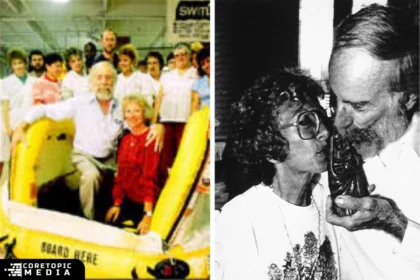


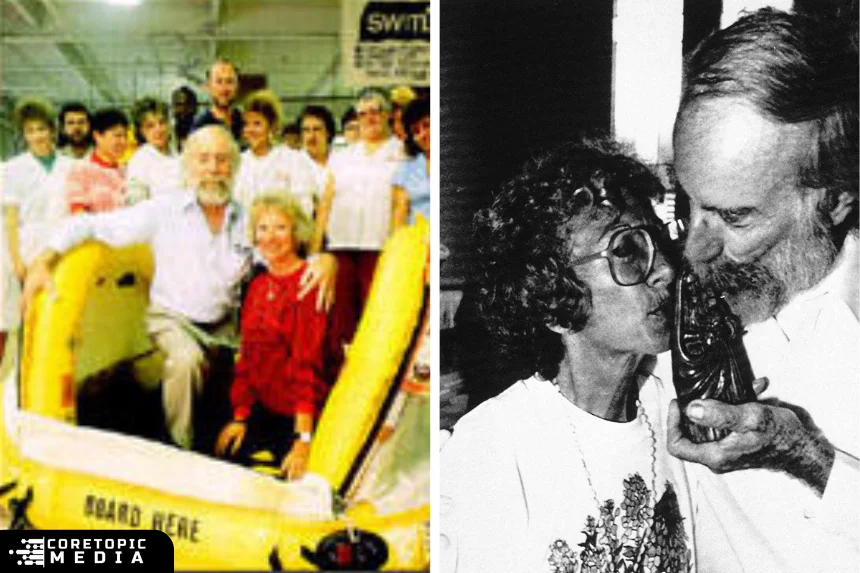
William and Simone Butler became known for one of the most remarkable ocean survival stories of the late twentieth century. In 1989, the couple set out on a sailing journey that turned into a life-or-death fight after whales damaged and sank their yacht in the Pacific Ocean.
For 66 days, they survived in a small inflatable life raft. They faced hunger, thirst, sun exposure, storms, sharks, weakness, and uncertainty. They drank water from a hand-operated desalinator and ate raw fish to stay alive.
Their story remains powerful because it combines adventure, disaster, endurance, and survival against extreme odds. It also shows why ocean preparation matters, even for experienced sailors.
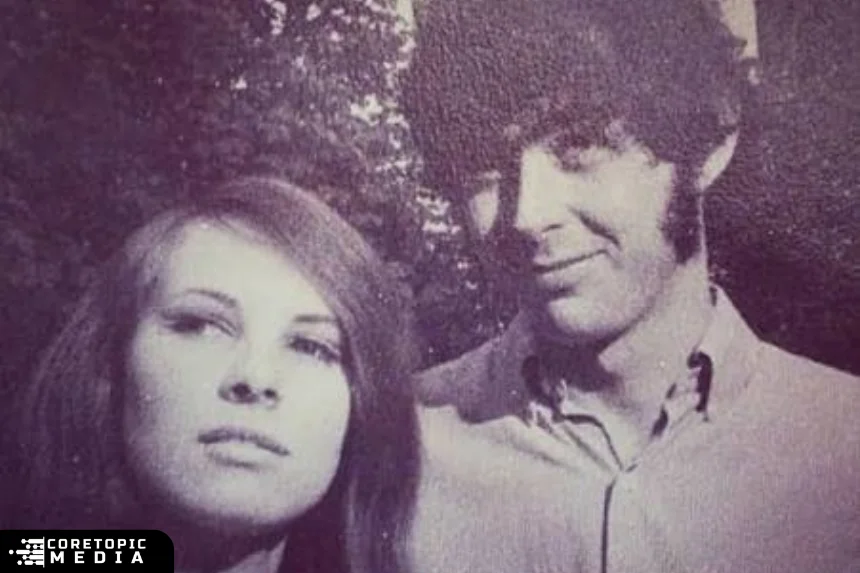
Who Were William and Simone Butler?
William Butler, often called Bill Butler, was an experienced sailor with a deep love for the sea. His wife, Simone Butler, also appears in some sources as Simonne Butler. Both names usually refer to the same woman in this survival story.
The couple planned a major sailing journey in 1989. They were not casual tourists on a short trip. They had sailing experience, a yacht, supplies, and a dream of crossing open water.
Their journey became famous because their yacht sank far from land, leaving them with only a life raft and limited survival tools. Instead of disappearing at sea, they endured more than two months adrift and lived to tell the story.
William and Simone Butler were a sailing couple who survived 66 days at sea after their yacht sank.
Why Their Story Became Famous
Their story became famous because it had every element of an extreme survival case: a sudden ocean disaster, a tiny raft, limited supplies, raw fish, shark threats, weight loss, and a rescue that came after weeks of uncertainty.
Most people cannot imagine spending even one day lost at sea. The Butlers spent 66 days drifting in open water. They had no normal shelter, no kitchen, no steady food supply, and no easy way to call for help.
The story also became memorable because whales played a role in sinking their yacht. In recent years, renewed interest in orca and whale encounters with boats has made the Butler story relevant again.
Their story became famous because they survived more than two months at sea after a sudden and terrifying yacht disaster.
What Happened to Their Yacht?
In 1989, William and Simone were sailing their yacht, Siboney, through the Pacific. Their journey changed when whales struck the boat. The damage became serious enough that the yacht started taking on water.
The couple had very little time to react. They moved from their sinking yacht into a small life raft and watched their boat disappear. In that moment, their long voyage became a survival emergency.
The yacht had carried their supplies, shelter, navigation tools, and safety. Once it sank, they had to depend on what they managed to bring into the raft.
This is one of the most frightening parts of the story. A yacht can feel secure, but the open ocean can change everything within minutes.
Whales damaged their yacht, the boat sank, and the couple escaped into a small inflatable raft.
How Long Were William and Simone Butler Lost at Sea?
The couple spent 66 days adrift. That length of time makes their survival extraordinary.
Sixty-six days at sea meant they had to survive far beyond the short emergency period most people prepare for. They had to find water, catch food, protect themselves from the sun, manage their energy, and keep hope alive.
Every day brought new risks. Their bodies grew weaker. Their chances of rescue depended on weather, currents, visibility, and whether any vessel came close enough to spot them.
They survived 66 days adrift, which means they spent more than two months in a life raft.
How They Survived 66 Days at Sea
William and Simone survived because they had essential survival equipment, practical skill, and mental endurance.
Their most important tool was a hand-operated desalinator. This device turned seawater into drinkable water. Without it, they likely would not have lasted long.
They also survived by catching and eating raw fish. Fish became their main food source after their limited supplies ran low. Eating raw fish was not comfortable, but it gave them protein and energy.
Their survival depended on several things:
- A life raft
- A manual desalinator
- Fishing gear
- The ability to ration supplies
- Physical endurance
- Mental resilience
- Teamwork
- Hope
- The ability to adapt
Their survival was not the result of easy conditions. It came from solving problems day after day.
A life raft, a hand-powered water maker, raw fish, careful rationing, and determination helped them stay alive.
What Did They Eat?
The Butlers ate raw fish during much of their time at sea. They caught fish and consumed them without normal cooking tools.
Raw fish became their main source of food because the raft did not offer a kitchen, fire, or proper storage. They had to eat what the ocean provided.
This type of survival diet is extremely difficult. It can lead to physical weakness, stomach stress, and emotional exhaustion. Still, fish gave them the calories and protein they needed to keep going.
Some survival accounts describe the couple eating large amounts of raw fish each day when they could catch enough. At other times, food was uncertain.
They survived mainly by eating raw fish after their normal supplies became limited.

How Did They Get Drinking Water?
Drinking water was the most important survival problem. A person can live longer without food than without water, especially under hot sun and salty sea air.
The couple used a manual desalinator. This tool removed salt from seawater and made it drinkable. It required physical effort, but it helped keep them alive.
Without a desalinator, they would have had to rely only on stored water or rainwater. That would have been far more dangerous.
The desalinator did not make life easy. It still required daily work, and the couple had to ration water carefully. But it gave them a chance.
A hand-operated desalinator helped them turn seawater into drinking water.
Dangers They Faced on the Raft
The dangers did not end after they escaped the sinking yacht. In many ways, the raft became a new battlefield.
They faced:
- Hunger
- Thirst
- Sunburn
- Saltwater sores
- Dehydration risk
- Storms
- Sharks
- Exhaustion
- Fear
- Weakness
- Isolation
- Damage to the raft
- No clear rescue date
The psychological stress may have been as hard as the physical stress. Rescue was uncertain, and the current could carry them in any direction. With no control over their situation, every hour brought more fear and exhaustion.
Hunger, thirst, storms, sharks, sun exposure, weakness, and the fear of never being found all added to the danger they faced.
Rescue Near Costa Rica
After 66 days adrift, rescuers finally found William and Simone near Costa Rica. They had drifted a long distance from where their yacht sank.
By then, they had lost significant weight and endured extreme physical stress. Still, they survived long enough for help to arrive.
Their rescue turned the story from tragedy into one of endurance. Many people lost at sea never get that chance. The couple’s survival depended on preparation, luck, skill, and the timing of their rescue.
Rescuers found them near Costa Rica after 66 days at sea.
Was It Really Orcas?
Many modern articles connect the Butler story to orcas because recent boat encounters involving orcas have received global attention. Some reports describe the animals as whales, while others use the word orcas or killer whales.
The safest way to explain the event is this: whales struck and sank their yacht, and later articles sometimes describe or discuss the incident in relation to orcas.
Without confirmed species details from every original account, writers should avoid overstating the exact animal involved. The main confirmed point is that large marine animals struck the yacht and caused the disaster.
Their yacht sank after whales struck it, but writers should be careful when claiming the exact species.
Why the Story Still Matters Today
The story of William and Simone Butler still matters because it reminds sailors that the ocean can change without warning. Even experienced people can face events they cannot fully control.
It also matters because modern readers still discuss whale and orca interactions with boats. The Butler story gives historical context to that concern, even though every incident has its own facts.
Their survival also teaches practical lessons. Emergency gear is not optional. A life raft, desalinator, signaling equipment, and preparation can mean the difference between life and death.
Their story still matters because it shows how quickly a sea voyage can become a survival emergency.
Lessons From Their Survival Story
The Butler survival story offers important lessons for sailors, boat owners, and adventure travelers.
1. Carry a Reliable Life Raft
A life raft can become your only shelter if your boat sinks. It should be inspected, packed properly, and suitable for your route.
2. Carry a Desalinator
A manual water maker can save lives. Stored water may run out quickly, but seawater surrounds you. A desalinator gives you a way to use it.
3. Keep Emergency Gear Accessible
Emergency supplies should not sit in a place you cannot reach during a fast sinking. You may only have minutes to act.
4. Prepare for Food Shortages
Fishing gear, emergency rations, and survival knowledge can make a major difference during long periods adrift.
5. Bring Signaling Devices
Modern sailors should carry reliable signaling tools, including emergency beacons, flares, mirrors, lights, and communication devices.
6. Train Before You Need It
Survival equipment only helps if you know how to use it. Practice matters.
7. Protect Your Mind
Hope, teamwork, and calm decision-making can help people survive extreme situations.
Their story shows the importance of life rafts, water makers, signaling gear, preparation, and mental strength.
What Made Their Survival So Unusual?
Their survival was unusual because of the length of time. Many people can survive a short emergency with stored supplies. Far fewer can survive 66 days in a small raft.
Several factors made their case extraordinary:
- They survived more than two months.
- They had limited shelter.
- They relied on raw fish.
- They used a manual water maker.
- They drifted far from the sinking location.
- They endured physical and mental stress.
- They stayed alive long enough to be found.
The story also stands out because they survived together. Two people in a small raft can support each other, but they can also face conflict, fear, and emotional pressure. Their shared endurance became a key part of the story.
Their survival was unusual because they endured extreme conditions for 66 days in a tiny raft.
William Butler’s Book
William Butler later wrote about the ordeal in a book commonly known as 66 Days Adrift. The book helped preserve the details of the survival story and introduced it to readers interested in sea disasters, sailing, and human endurance.
The book presents the event as more than a simple adventure story. It shows fear, hunger, faith, frustration, love, and the daily struggle to survive.
For many readers, the story works as both a warning and an inspiration. It warns sailors not to underestimate the ocean. It also shows how far people can push themselves when survival leaves no other choice.
William Butler later shared the survival story in 66 Days Adrift.
Quick Facts About William and Simone Butler
| Topic | Detail |
|---|---|
| Names | William “Bill” Butler and Simone/Simonne Butler |
| Known for | Surviving 66 days adrift at sea |
| Year of incident | 1989 |
| Yacht name | Siboney |
| Disaster | Yacht sank after whales struck it |
| Survival craft | Inflatable life raft |
| Main food | Raw fish |
| Drinking water | Manual desalinator |
| Rescue area | Near Costa Rica |
| Book | 66 Days Adrift |
The Butlers survived a 1989 ocean disaster after whales sank their yacht and left them adrift for 66 days.
Common Misconceptions
Misconception 1: They survived because they had plenty of supplies
They had some emergency equipment, but they did not have enough normal supplies for 66 days. They survived by rationing, catching fish, and using a water maker.
Misconception 2: The raft made them safe
A life raft helped save them, but it did not remove the danger. They still faced hunger, thirst, exposure, storms, and sharks.
Misconception 3: Their rescue was quick
Their rescue took 66 days. That is more than two months at sea.
Misconception 4: Every report uses the same name spelling
Some sources use Simone, while others use Simonne. Searchers usually mean the same person.
Misconception 5: Every article proves the exact whale species
Some accounts say whales, while modern discussions may mention orcas. Writers should avoid claiming more than the evidence supports.
The story is often simplified online, but the real survival case was long, dangerous, and complex.
FAQs
Who were William and Simone Butler?
William and Simone Butler were a sailing couple who became known for surviving 66 days adrift in the Pacific Ocean after their yacht sank in 1989.
William was also known as Bill Butler, and Simone’s name sometimes appears as Simonne in different sources.
How long were William and Simone Butler lost at sea?
They spent 66 days adrift in a small inflatable life raft.
That long survival period is one reason their story remains famous.
What sank their yacht?
Their yacht sank after whales struck and damaged it. The boat took on water, and the couple escaped into a life raft.
Modern articles sometimes connect the incident to orcas, but writers should be careful about claiming the exact species unless a source clearly confirms it.
What was the name of their yacht?
Their yacht was named Siboney.
It sank during their 1989 voyage, leaving them adrift in the Pacific.
How did they survive?
They survived with a life raft, a hand-operated desalinator, fishing, rationing, and mental endurance.
The desalinator helped them make drinking water from seawater, while raw fish became a major food source.
What did they eat at sea?
They ate raw fish. They caught fish and used it as their main source of food after normal supplies became limited.
Eating raw fish was not pleasant, but it helped keep them alive.
How did they get water?
They used a manual desalinator to turn seawater into drinkable water.
This tool became one of the most important reasons they survived.
Where were they rescued?
They were rescued near Costa Rica after drifting for 66 days.
By the time rescuers found them, they had lost significant weight but were still alive.
Did William Butler write a book?
Yes. William Butler later wrote about the ordeal in 66 Days Adrift.
The book helped preserve the details of the survival story.
Is it Simone or Simonne Butler?
Both spellings appear in online sources. Many articles use Simone, while other accounts use Simonne.
In most cases, both spellings refer to William Butler’s wife in the 66-day survival story.
Conclusion
William and Simone Butler’s story remains one of the most striking sea survival accounts of modern times. After whales damaged and sank their yacht in 1989, they spent 66 days in a small life raft with limited supplies, no normal shelter, and no clear rescue date.
They survived by using a manual desalinator, catching fish, eating raw food, rationing energy, and holding on through fear and exhaustion. Their rescue near Costa Rica turned a near-certain tragedy into a story of endurance.
Their experience still teaches a clear lesson: the ocean rewards preparation and punishes overconfidence. For sailors and adventure travelers, the Butler story is both a warning and a reminder of human resilience.
Discover more on our website about how to value a heating and air conditioning business