



Introduction
Celtic salt is a grey, moist sea salt often linked with traditional harvesting in coastal France. Many people know it as Celtic sea salt, grey salt, or sel gris. Cooks value it for its briny flavor and coarse texture, while wellness creators often promote it for minerals and hydration.
The health claims need context. This specialty salt may contain trace minerals, but it still mainly contains sodium chloride. Your body needs some sodium, but too much can raise blood pressure and increase stress on the heart, blood vessels, and kidneys.
The best way to use it is simple: treat it as a flavorful seasoning, not a wellness cure. Add it where texture and taste matter, measure your serving, and do not rely on it to fix dehydration, mineral deficiencies, or electrolyte problems.
What Is This Grey Sea Salt?
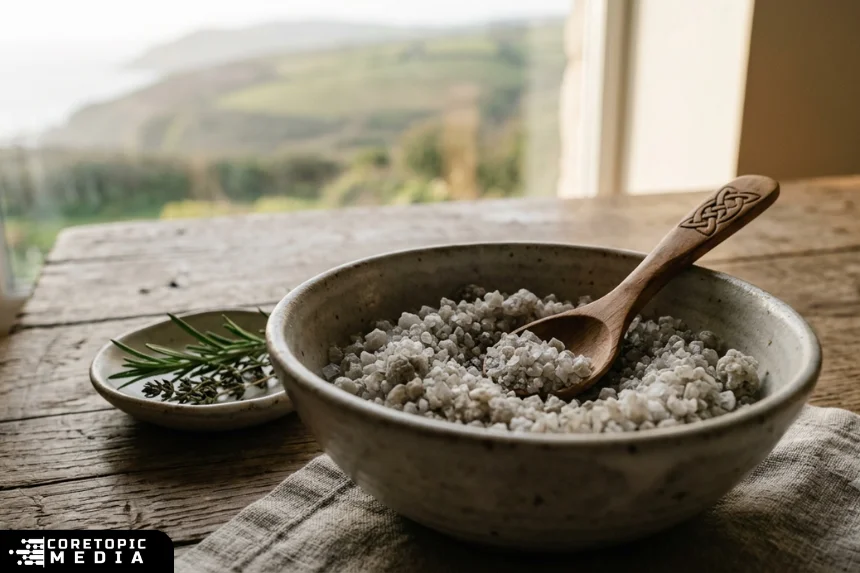
This grey sea salt comes from evaporated seawater and usually keeps more moisture than refined table salt. Producers traditionally harvest it from coastal salt marshes, where clay-rich environments can give the crystals their grey color.
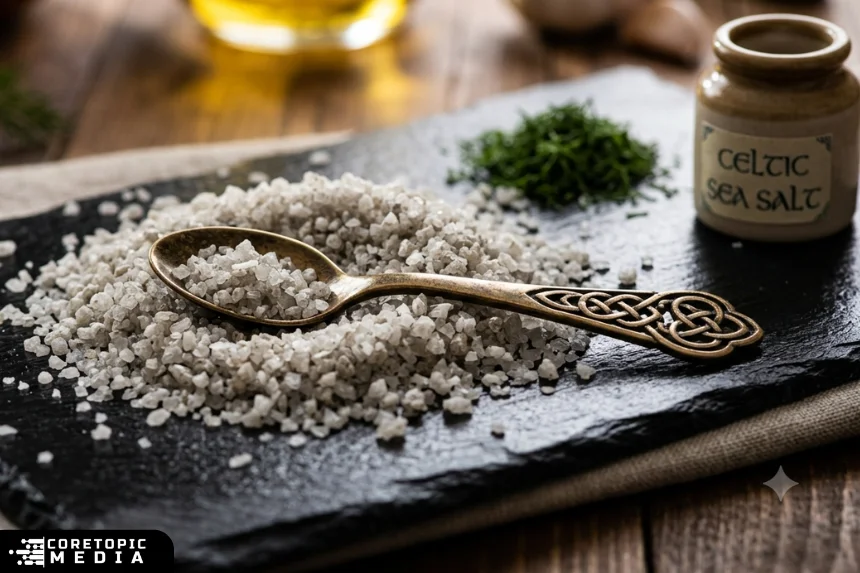
The texture separates it from fine table salt. It feels damp, clumps easily, and delivers a briny, mineral-like taste. Many cooks use the larger crystals after cooking because they add a noticeable crunch on vegetables, fish, eggs, salads, or chocolate desserts.
Despite the different look, the main compound remains sodium chloride. Trace minerals may affect color and flavor, but they do not turn the seasoning into a supplement.
This grey sea salt works best as a flavorful kitchen ingredient, not as a miracle mineral product.
Quick Facts
| Fact | Detail |
|---|---|
| Common Names | Celtic salt, Celtic sea salt, grey salt, sel gris |
| Main Compound | Sodium chloride |
| Texture | Moist, coarse, slightly clumpy |
| Color | Grey |
| Common Use | Finishing salt, cooking, seasoning |
| Sodium Concern | Counts toward daily sodium intake |
| Iodine | Usually not iodized unless the label says so |
| Best Use | Flavor and texture, not medical treatment |
The main value comes from flavor and texture, not from unproven wellness claims.
Is It Healthier Than Regular Salt?
This specialty sea salt is not automatically healthier than regular salt. It may contain small amounts of minerals and may go through less refining, but it still adds sodium to your diet. For blood pressure, heart health, and kidney health, total sodium intake matters more than the salt’s color, source, or brand.
The FDA says adults should limit sodium to less than 2,300 mg per day, which equals about one teaspoon of table salt. The American Heart Association also recommends no more than 2,300 mg daily and suggests an ideal limit of 1,500 mg for most adults, especially people with high blood pressure.
Table salt can offer one benefit that many specialty salts lack: iodine. Iodized salt helps support iodine intake, which the thyroid needs to make hormones. Most grey sea salts do not contain added iodine unless the package clearly says “iodized.”
| Feature | Grey Sea Salt | Table Salt |
| Processing | Less refined | More refined |
| Texture | Coarse and moist | Fine and dry |
| Trace Minerals | Small amounts may appear | Usually minimal |
| Iodine | Usually not added | Often iodized |
| Sodium | Still high | Still high |
| Best Use | Finishing and flavor | Measured everyday seasoning |
The grey salt may taste different, but it does not remove the risks of too much sodium.
Realistic Benefits
The most realistic benefits are culinary. This seasoning can improve flavor, add texture, and help simple foods taste more satisfying. Some people also prefer its less-refined look and damp crystals.
The trace mineral claim needs a careful explanation. A serving may contain tiny amounts of magnesium, calcium, potassium, iron, zinc, or copper. However, people use salt in small amounts. Vegetables, legumes, nuts, seeds, dairy, seafood, and whole grains provide minerals in far more meaningful amounts.
| Benefit | What It Really Means |
| Better texture | Coarse crystals add crunch after cooking. |
| Briny flavor | A small amount can brighten simple foods. |
| Less refined style | Some people prefer a minimally processed seasoning. |
| Trace minerals | Minerals may appear, but amounts remain small per serving. |
| Cooking satisfaction | Better seasoning can make home-cooked meals more enjoyable. |
This salt may help in specific electrolyte situations only when someone actually needs sodium, such as heavy sweating, intense endurance activity, or fluid loss. In those cases, a balanced electrolyte product or medical oral rehydration solution may work better than plain salted water.
The best benefit is flavor. Normal servings do not provide enough minerals to treat deficiencies.
Salt Water and Hydration
Adding a pinch of grey salt to water does not improve hydration for most healthy people. Sodium helps the body manage fluid balance, but most people already get enough or too much sodium from food. Daily salted water can increase sodium intake without solving a real hydration problem.
The trend became popular because sodium acts as an electrolyte. Electrolytes support nerves, muscles, and fluid balance. However, “electrolyte” does not mean “more is better.” People may need extra electrolytes during intense exercise, heavy sweating, heat exposure, vomiting, diarrhea, or specific medical situations.
A homemade glass of salted water also differs from an oral rehydration solution. Medical formulas use measured amounts of salts and glucose to help the intestine absorb water during dehydration. Plain salted water does not copy that formula.
For daily hydration, most people should drink water, eat regular meals, and adjust fluids based on thirst, heat, exercise, and health conditions. People who feel constantly dehydrated, dizzy, weak, or unusually thirsty should seek medical advice.
Salted water is not necessary for everyday hydration and can add unnecessary sodium.
Trace Minerals
This grey sea salt can contain trace minerals, but the amounts vary by source, harvesting method, moisture level, and brand. Commonly discussed minerals include magnesium, calcium, potassium, iron, zinc, and copper. These minerals may influence color and taste, but they do not make the product a reliable nutrition source.
Serving size matters. A person may eat cups of mineral-rich vegetables, beans, or yogurt in a day, but only a small amount of salt. To get meaningful minerals from salt, someone would need to consume too much sodium.
The “80+ minerals” phrase also needs caution. Some brands and wellness posts use that phrase, but it does not prove that the minerals appear in useful amounts. A nutrient can exist in a product and still contribute almost nothing nutritionally.
| Mineral Goal | Better Food Sources |
| Magnesium | Pumpkin seeds, almonds, spinach, black beans |
| Potassium | Potatoes, bananas, beans, yogurt, leafy greens |
| Calcium | Dairy, fortified plant milks, tofu, sardines |
| Iron | Lentils, red meat, spinach, fortified cereals |
| Zinc | Oysters, beef, pumpkin seeds, beans |
Whole foods provide safer and more meaningful mineral intake than specialty salt.
How It Compares With Other Salts
Celtic salt, Himalayan salt, sea salt, and table salt differ mainly in source, color, texture, and taste. They all still contain sodium. No specialty salt lets you ignore sodium limits.
Himalayan salt usually looks pink and dry, and its color often comes from iron-related compounds. Sea salt is a broad category that includes many salts made from evaporated seawater. Table salt has a fine, dry texture and often includes iodine.
| Salt Type | Source | Texture / Color | Key Difference | Health Note |
| Grey sea salt | Evaporated seawater, often linked with French coastal marshes | Grey, moist, coarse | Briny flavor and damp texture | Still high in sodium |
| Himalayan salt | Rock salt deposits, commonly linked with Pakistan | Pink, dry crystals | Pink color and mineral trace profile | Still high in sodium |
| Sea salt | Evaporated seawater | Varies by region | Broad category | Still high in sodium |
| Table salt | Mined or evaporated salt | Fine, dry | Often iodized | Can support iodine intake |
Harvard Health notes that alternative salts can add flavor or crunch, but they still consist largely of sodium chloride. That means the “healthiest salt” question often misses the real issue: how much sodium someone eats overall.
Choose salt for taste and measured use, not because one type cancels sodium risk.
Side Effects and Risks
Too much of any salt can raise blood pressure and strain the heart, blood vessels, and kidneys. People with high blood pressure, kidney disease, heart failure, or salt sensitivity need extra caution.
Non-iodized specialty salts can also reduce iodine intake if they replace iodized salt entirely. The NIH Office of Dietary Supplements says iodine helps the body make thyroid hormones, and adults generally need 150 micrograms per day. Pregnant and breastfeeding people need more.
| Risk | Why It Matters |
| High sodium intake | Can raise blood pressure in many people. |
| Fluid retention | Extra sodium can make some people feel bloated or puffy. |
| Kidney strain | Kidneys help regulate sodium and fluid balance. |
| Lack of iodine | Non-iodized salts may reduce iodine intake if diet lacks iodine-rich foods. |
| Overuse from “natural” marketing | Natural salt still contains sodium. |
| False hydration confidence | Salt water may delay proper treatment for dehydration. |
Sea salt products can also vary in purity. Because producers source them from seawater, testing and labeling matter. Choose reputable brands and avoid treating any specialty salt as automatically safer.
Small amounts fit many diets, but overuse can create real health risks.
How Much Should You Use?
There is no special daily requirement for this salt. Use it within general sodium limits. Adults should generally keep sodium below 2,300 mg per day, and some people need lower targets based on medical advice.
Measurements can confuse people because crystal sizes pack differently into a teaspoon. Fine salt usually contains more sodium per teaspoon than coarse salt because tiny grains fit together more tightly. A coarse, damp salt may look like a larger serving while delivering a different sodium amount than fine table salt.
| Amount | Why It Matters |
| A pinch | Hard to measure and easy to repeat many times. |
| 1/4 teaspoon | Can contribute a noticeable sodium amount. |
| 1 teaspoon | Can approach a full day’s sodium limit depending on salt type. |
| Daily total | Packaged foods, sauces, restaurant meals, and added salt all count. |
If you track sodium, use the nutrition label on your specific brand. If the label gives sodium per 1/4 teaspoon, multiply that number by how many servings you use in a day.
Measure it like any other salt because small amounts can add substantial sodium.
Best Uses in Food
The coarse grey salt works best as a finishing salt because its texture and briny flavor stand out when sprinkled over food after cooking. This approach helps you taste the salt clearly, which may let you use less overall.
| Food | How to Use It |
| Roasted vegetables | Add a small pinch after roasting. |
| Grilled fish or chicken | Finish with a light sprinkle before serving. |
| Avocado toast | Use a few crystals with lemon or pepper. |
| Soups | Add near the end so you can adjust carefully. |
| Salads | Mix into dressing or sprinkle lightly before serving. |
| Dark chocolate or caramel | Use a few crystals for contrast. |
| Eggs | Finish with a small pinch instead of salting heavily during cooking. |
Avoid doubling up. If you salt pasta water, season sauce, and finish the dish with more salt, sodium can climb quickly. Use the finishing crystals where they add the most flavor instead of adding them automatically at every step.
Use the coarse crystals where flavor matters most, not automatically in every recipe.
Who Should Be Careful?
People with high blood pressure, kidney disease, heart failure, salt sensitivity, pregnancy-related iodine needs, or thyroid nutrition concerns should use specialty salts carefully. These groups should follow medical guidance instead of social media wellness advice.
Some athletes also overestimate their need for salt. Heavy sweaters and endurance athletes may need extra sodium during long, hot, or intense sessions. A casual gym workout usually does not require daily salted water. Training load, sweat rate, heat, diet, and medical history all matter.
People who use non-iodized salt exclusively should think about iodine. If they rarely eat iodine-rich foods, they may need advice from a clinician or dietitian, especially during pregnancy or breastfeeding.
Specialty salt may fit some diets in small amounts, but medical conditions can change what “safe” means.
Common Myths
Myth 1: It detoxes the body
This seasoning does not detox the body. Your liver, kidneys, lungs, digestive system, and skin handle normal waste removal.
Myth 2: It cures dehydration
A pinch of salt does not cure dehydration for most people. Serious dehydration, vomiting, diarrhea, heat illness, or dizziness may require oral rehydration solution or medical care.
Myth 3: It gives you enough magnesium
Trace magnesium in salt does not match the magnesium you can get from nuts, seeds, legumes, and leafy greens.
Myth 4: Natural means unlimited
Natural salt still contains sodium. Too much sodium can affect blood pressure and fluid balance.
Myth 5: It always beats iodized salt
A specialty finishing salt may taste better in some dishes, but iodized salt supports iodine intake. Many people can use iodized salt for everyday cooking and grey salt for finishing.
Myth 6: Salt water replaces electrolyte drinks
Salted water does not replace a complete oral rehydration solution. Real rehydration formulas use measured sodium, glucose, and other electrolytes for specific situations.
Most myths come from treating a seasoning like a supplement.
FAQs
Is this salt good for you?
This salt can fit into a balanced diet in small amounts, but it is not a health supplement. Its main value comes from flavor and texture, not proven medical benefits.
Is it better than table salt?
It has a different texture, flavor, and trace mineral profile, but it still contains sodium. Table salt may offer iodine if the label says it is iodized.
Does it have iodine?
Most grey sea salt does not contain added iodine unless the label clearly says “iodized.” People who avoid iodized salt should get iodine from foods such as seafood, dairy, eggs, seaweed, or clinician-recommended supplements.
Can it help hydration?
This salt is not necessary for everyday hydration. Most people should drink water and eat a balanced diet instead of adding salt to water daily.
How much should I take daily?
There is no special dose. Use it within general sodium limits and follow medical guidance if you need sodium restriction.
Is it good for high blood pressure?
People with high blood pressure should be careful because it still contains sodium. They should follow advice from a doctor or registered dietitian.
What is it made of?
This seasoning mainly contains sodium chloride. It may also contain small amounts of trace minerals that vary by source and brand.
Can it replace electrolytes?
It mainly provides sodium and small mineral traces. It does not replace a complete oral rehydration solution or a medically recommended electrolyte plan.
What does it taste like?
It tastes briny, mineral-like, and slightly damp compared with fine table salt. Many cooks use it as a finishing salt.
Is it the same as sea salt?
It is a type of sea salt, but not all sea salt belongs to this category. The term usually refers to grey, moist salt associated with traditional French-style harvesting methods.
Conclusion
Celtic salt can improve food with briny flavor, coarse texture, and a less refined feel. It belongs in the kitchen as a seasoning, especially when used as a finishing salt.
It should not carry the burden of health claims. This seasoning still contains sodium, usually lacks added iodine, and does not replace a balanced diet, electrolyte therapy, or medical advice. Use it sparingly, read the label, count its sodium, and keep iodine-rich foods or iodized salt in mind.
Read about Johanna Samberg